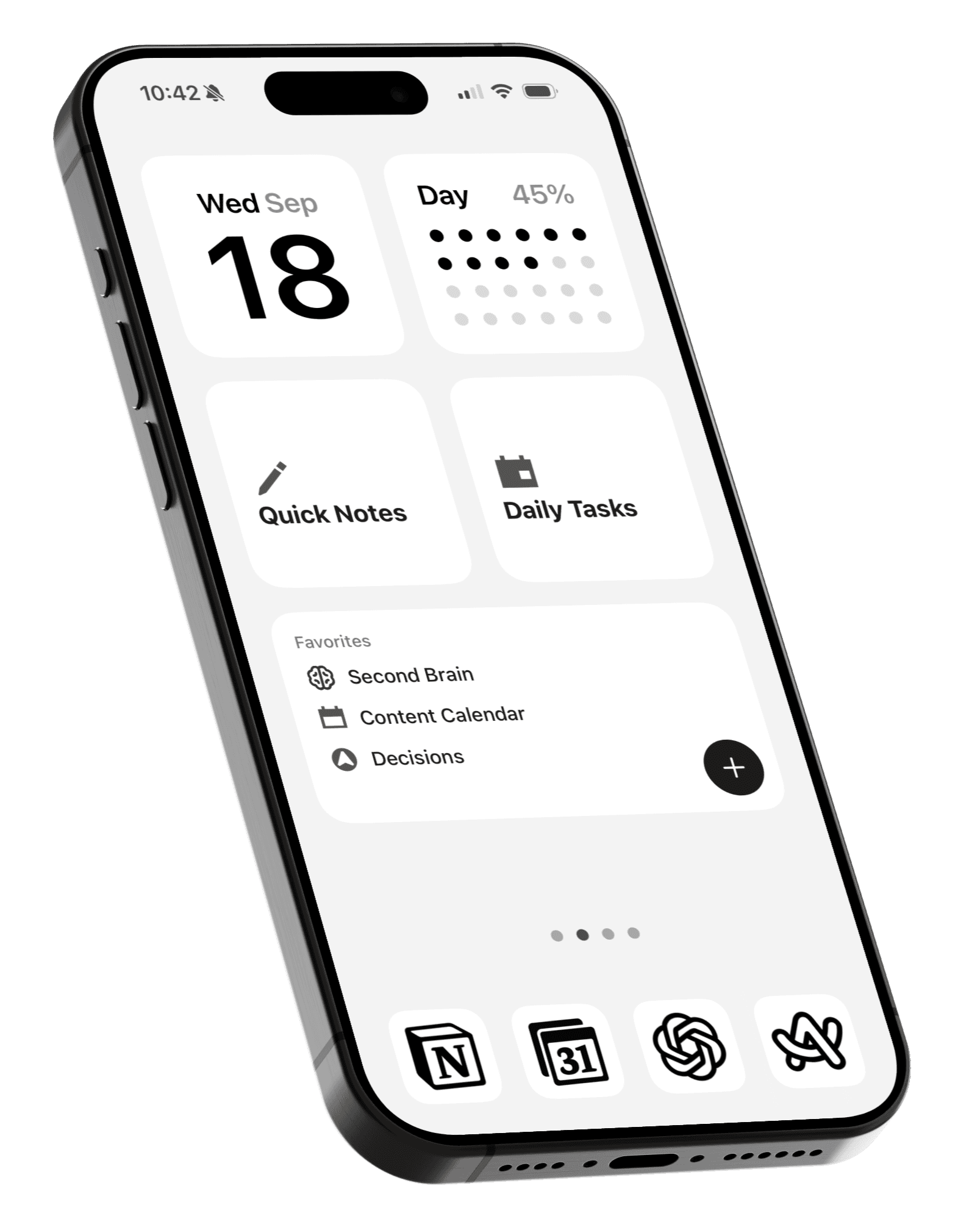
Decentralizing the smartphone
Why your phone doesn’t need to do everything.
Smartphones today have become a daily driver for personal and professional lives.
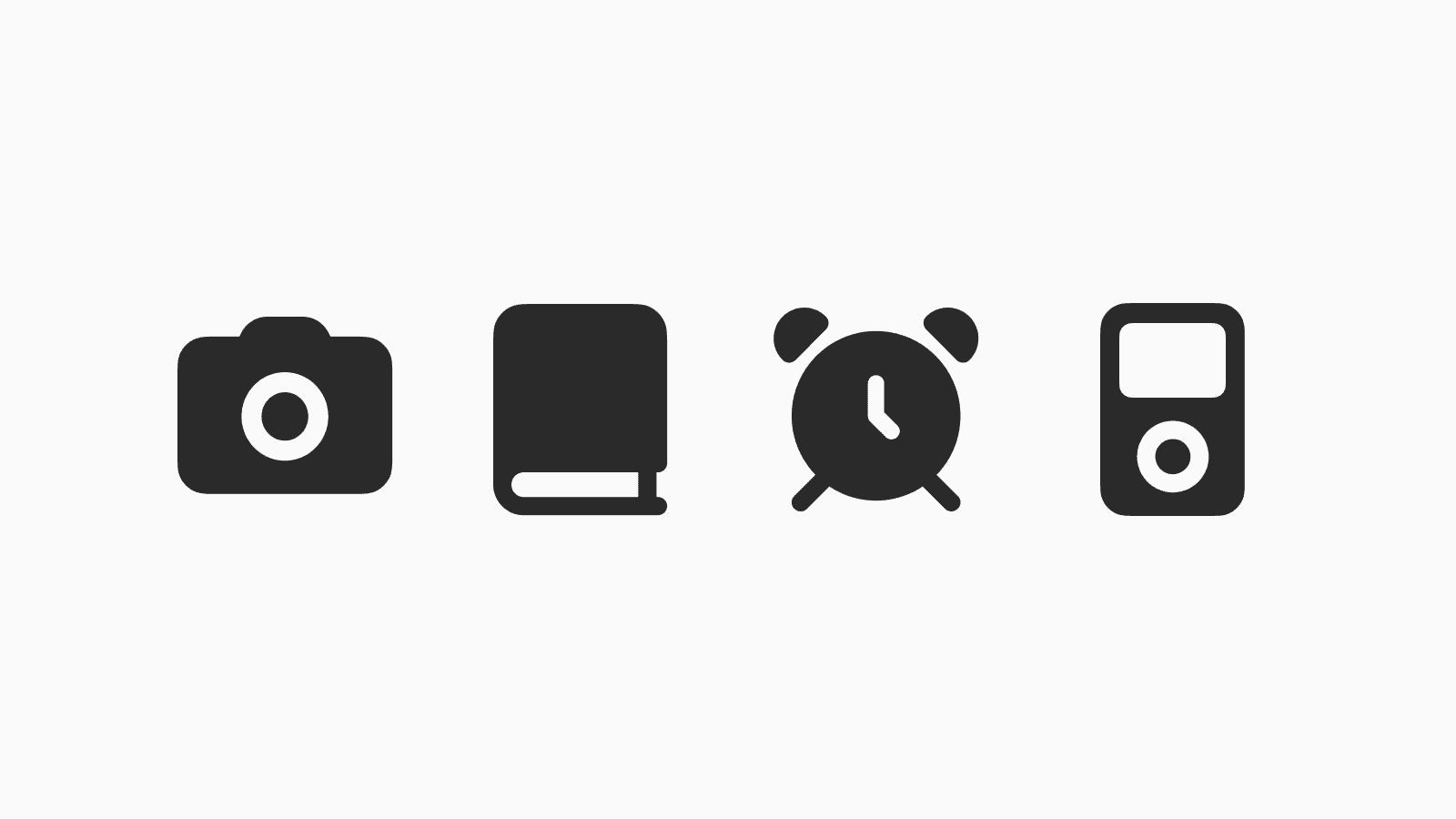
We use it for reading, taking notes, sending emails, capturing photos and videos, and listening to music.
Having so many utilities in a pocketable device is no surprise that we’ve become so dependent on it, and it’s only natural that we carry it everywhere we go.
However, it’s precisely this convenience that makes us easily distracted by our phones.
For instance, you might pick up your phone to jot down a quick note, only to find yourself checking your emails or scrolling on TikTok afterward.
This explains the rise of the decentralized phone movement, which involves splitting the phone's functionalities into single-purpose tools.
This includes using a Kindle, a physical alarm clock, an old iPod, a film camera, or paper notebooks.
But decentralizing your phone doesn’t necessarily mean a dramatic digital detox.
It can be as simple as deciding where things belong.
For example, only checking emails and Slack on your laptop, not on your phone.
Work stays on your laptop, entertainment on your iPad, and your phone is reserved for personal and social use.
By giving each device a clear role, you reduce the constant context switching that makes phones so distracting in the first place.